

Preparing for the SAT can be a daunting task, but with the right strategies, you can boost your confidence and improve your score. Whether you choose to study on your own, take a prep course, or use a combination of resources, having a structured plan can make all the difference. In this article, we’ll explore effective strategies for

Before diving into preparation, it’s essential to understand the structure of the SAT. The SAT is a standardized test used by colleges in the United States to assess a student’s readiness for college-level work. It consists of two main sections: Evidence-Based Reading and Writing (EBRW) and Math. There’s also an optional essay section, but many colleges no longer require it.
The total score for the SAT ranges from 400 to 1600, with each main section scored between 200 and 800. Knowing the format and the types of questions asked can help you tailor your study approach effectively.
The Importance of SAT Practice Tests
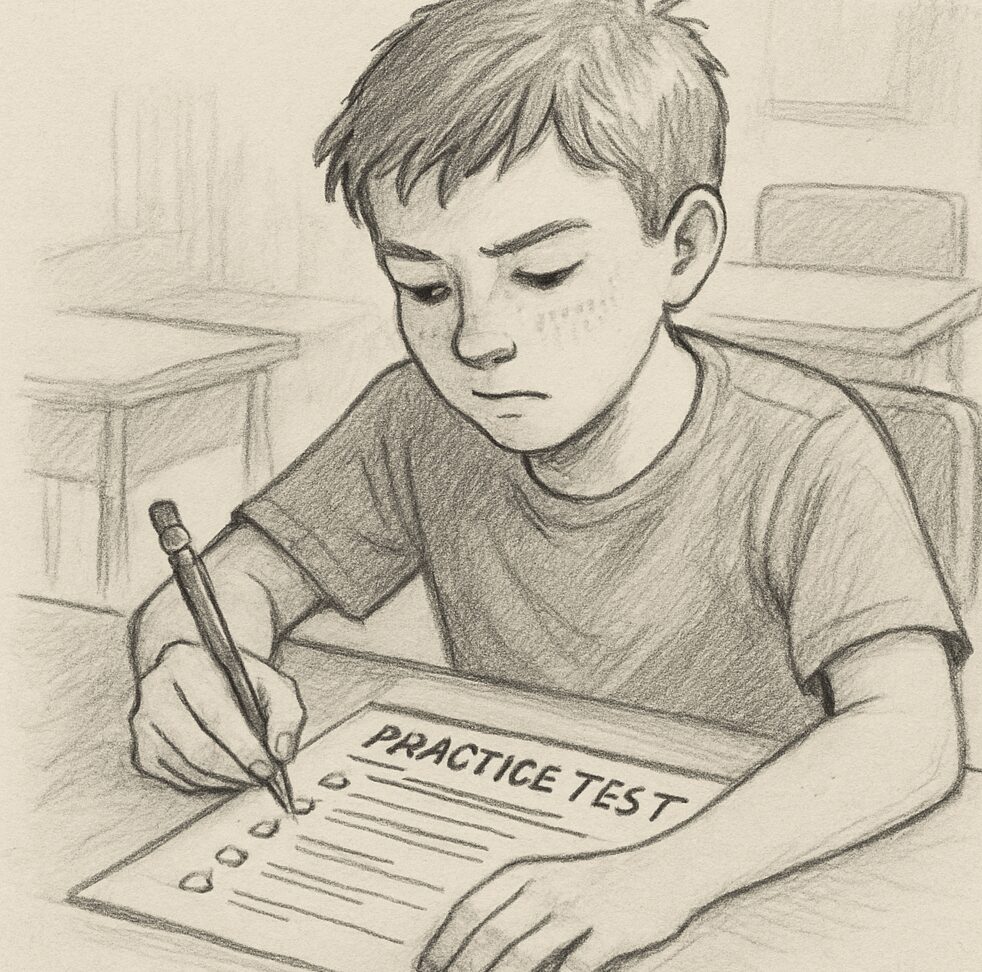
One of the most effective ways to prepare for the SAT is by taking practice tests. SAT practice tests give you a feel for the actual exam and help you identify your strengths and weaknesses. By taking timed practice tests, you can build stamina and learn to manage your time effectively during the exam.
Benefits of Taking Practice Tests
- Familiarity with the Exam Format: By taking practice tests, you become familiar with the structure and question types of the SAT, reducing anxiety on test day.
2. Identifying Weak Areas: Practice tests help you pinpoint areas that need improvement, allowing you to focus your study efforts where they’re needed most.
3. Building Test-Taking Skills: Regular practice helps you develop skills such as critical reading, analytical thinking, and problem-solving, which are crucial for success on the SAT.
Choosing the Right SAT Prep Courses
For some students, self-study isn’t enough, and they may benefit from a structured
Types of SAT Prep Courses
- In-Person Classes: These are traditional classroom settings where you can interact with instructors and peers. They provide a structured learning environment and immediate feedback.
- Online Courses: Online courses offer flexibility and convenience, allowing you to study at your own pace. They are an excellent option for students with busy schedules.
- Hybrid Courses: These combine in-person instruction with online resources, offering the best of both worlds.
When choosing a prep course, consider factors such as your learning style, schedule, and budget. Research different courses and read reviews to find one that suits your needs.
Developing a Study Plan
A well-structured study plan is crucial for effective
Steps to Create a Study Plan
- Set Clear Goals: Determine your target score and the areas you need to improve. This will guide your study sessions.
2. Allocate Time Wisely: Create a weekly schedule that includes time for practice tests, reviewing material, and working on weak areas.
3. Use a Variety of Resources: Incorporate textbooks, online resources, flashcards, and practice questions to diversify your study materials.
4. Stay Consistent: Stick to your study schedule and make adjustments as needed based on your progress.
The Role of SAT Prep Books

by Ruslan Ruslan (https://unsplash.com/@_russslan)
SAT prep books are valuable resources that provide comprehensive content reviews, practice questions, and test-taking strategies. When selecting a prep book, look for ones that offer detailed explanations and are up-to-date with the latest SAT format.
Recommended SAT Prep Books
- The Official SAT Study Guide: Published by the College Board, this book offers authentic practice tests and is an excellent starting point.
- Kaplan SAT Prep: Known for its strategic approach and practice questions, Kaplan provides detailed explanations and tips.
- Princeton Review’s Cracking the SAT: This book offers comprehensive reviews and strategies for each section of the exam.
Test Day Preparation
As the test day approaches, it’s important to ensure that you’re physically and mentally prepared.
Tips for Test Day
- Get a Good Night’s Sleep: Make sure to rest well the night before the exam to keep your mind sharp.
- Eat a Healthy Breakfast: Fuel your body with a nutritious breakfast to maintain energy levels.
- Arrive Early: Plan to arrive at the test center with plenty of time to spare, reducing stress and giving you time to settle in.
- Bring Necessary Materials: Ensure you have your admission ticket, photo ID, calculator, and extra pencils.
Conclusion
Preparing for the SAT doesn’t have to be overwhelming. By understanding the exam, taking regular practice tests, enrolling in a prep course if needed, and following a structured study plan, you can improve your chances of achieving a high score. Remember, consistency and dedication are key to
What’s Next?
Ready to get started on your digital SAT prep? Sign up for our SAT Prep Crash Courses that will help you build your concept foundation. The course recommends you just the right lessons and questions to tackle, helping you improve fast. Start now!